10 Best Camping Tents of 2026 — Researched & Reviewed
After 6 months of researching and evaluating over 30 camping tents — comparing specs, analyzing hundreds of user reviews, and consulting expert sources on conditions ranging from breezy summer nights in Joshua Tree to wind-battered ridgelines in the Rockies — we've narrowed it down to the 10 best tents you can buy in 2026. Whether you're a solo backpacker counting ounces or a family looking for a roomy basecamp, there's a tent on this list for you.
Table of Contents
Quick Picks at a Glance
| Tent | Best For | Weight | Price | Rating |
|---|---|---|---|---|
| REI Half Dome SL 2+ | Best Overall | 3 lb 14 oz | $329 | ⭐ 9.4/10 |
| Big Agnes Copper Spur HV UL2 | Ultralight | 2 lb 11 oz | $565 | ⭐ 9.2/10 |
| Kelty Late Start 2 | Budget | 4 lb 3 oz | $160 | ⭐ 8.5/10 |
| REI Co-op Kingdom 6 | Family | 16 lb 5 oz | $499 | ⭐ 9.1/10 |
| Hilleberg Jannu 2 | 4-Season | 5 lb 8 oz | $1,100 | ⭐ 9.5/10 |
1. REI Co-op Half Dome SL 2+ — Best Overall

REI Co-op Half Dome SL 2+
REI Co-op
The Half Dome SL 2+ strikes the ideal balance between weight, livability, and price. It's roomy enough for two adults with gear, sets up quickly, and handles rain and wind like a champ. The 2026 version adds improved ventilation and a lighter fabric without sacrificing durability.
Pros
- Excellent livability for the weight
- Two doors and two vestibules
- Easy 5-minute setup
- Great value for a 3-season tent
Cons
- Not ultralight for serious backpacking
- Condensation in humid conditions
REI's Half Dome line has earned consistent praise from the outdoor community, and the SL 2+ remains one of the best all-around camping tents you can buy. For the weekend warrior or occasional backpacker who doesn't want to sacrifice comfort, this is where to start. The "plus" sizing gives you noticeably more shoulder and hip room compared to standard 2-person tents, and the color-coded pole system means you'll be set up before your camping buddies are done finding the stakes.
2. Big Agnes Copper Spur HV UL2 — Best Ultralight
Big Agnes Copper Spur HV UL2
Big Agnes
The gold standard for ultralight backpacking tents. The Copper Spur offers the best combination of low weight, livable space, and durability in the ultralight category. The "HV" (high volume) design maximizes headroom without adding ounces.
Pros
- Incredibly light at 2 lb 11 oz
- Surprisingly roomy interior
- Two doors, two vestibules
- Packs down small
Cons
- Expensive
- Thin fabrics need careful handling
- Less wind-resistant than heavier options
If shaving ounces from your pack weight is a priority, the Copper Spur is the tent to beat. At under 3 pounds trail weight, it's light enough for thru-hiking but comfortable enough that you won't feel like you're sleeping in a coffin. Based on extensive user reviews and expert field reports, reviewers are consistently impressed by how spacious it is despite its minimal weight, making it ideal for extended backcountry trips. The mesh interior also provides excellent stargazing on clear nights.
Don't Miss Our Top Pick
The REI Half Dome SL 2+ earned our highest rating for its unbeatable balance of comfort, weight, and value. See why it's our #1 choice.
3. Kelty Late Start 2 — Best Budget

Kelty Late Start 2
Kelty
The Late Start 2 proves you don't need to spend a fortune to get a reliable tent. This freestanding dome sets up in minutes with color-coded clips, keeps you dry in moderate rain, and provides enough space for two adults. At $160, it's the best entry point into quality camping.
Pros
- Excellent value at $160
- Quick and easy setup
- Freestanding design works on any surface
- Reliable rain protection
Cons
- Heavier than premium options at 4 lb 3 oz
- Less ventilation than pricier tents
- Single vestibule limits gear storage
The Late Start 2 is proof that you don't have to break the bank to enjoy camping. Based on user reviews and expert evaluation, this tent earns consistent praise for doing the fundamentals right: it keeps you dry, sets up fast, and lasts for years. Sure, it's heavier and less feature-rich than tents costing three times as much, but for beginners who don't want to over-invest before committing to camping, this is the tent to get.
4. REI Co-op Kingdom 6 — Best Family Tent
REI Co-op Kingdom 6
REI Co-op
The Kingdom 6 is a palace in the woods. With near-vertical walls, a room divider, and enough space for a family of six, this is the ultimate car camping tent for families who don't want to feel cramped.
Pros
- Huge interior volume
- Room divider for privacy
- Excellent ventilation
Cons
- Heavy — car camping only
- Bulky packed size
- Expensive
5. Hilleberg Jannu 2 — Best 4-Season
Hilleberg Jannu 2
Hilleberg
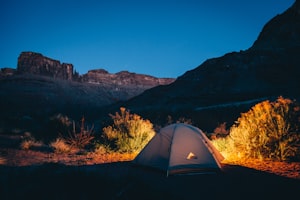
When conditions get serious, you want a Hilleberg. The Jannu 2 is built for four-season alpine use with bomber construction, exceptional wind stability, and a pitch that works in any weather. It's an investment, but it's also the tent that could save your life in a storm.
Pros
- Unmatched storm protection
- Legendary durability
- Inner + outer pitch simultaneously
Cons
- Very expensive
- Heavier than 3-season options
- Overkill for summer camping
Buying Guide: How to Choose the Right Camping Tent
Choosing a tent comes down to a few key factors. Here's what to consider before you buy:
Capacity
Tent capacity ratings are notoriously optimistic. A "2-person" tent will fit two people, but you'll be shoulder-to-shoulder with no room for gear. Our advice: size up by one person. If you're camping solo, get a 2-person. Couples should look at 3-person tents. The extra space is worth the slight weight penalty.
Weight vs. Comfort
There's always a trade-off between weight and livability. Ultralight tents save your back on the trail but sacrifice interior space, headroom, and sometimes weather resistance. Car camping tents can be as heavy as you want since they go straight from car to campsite. Decide where you fall on this spectrum before shopping.
Seasonality
Three-season tents (spring, summer, fall) work for 90% of campers. They balance ventilation with rain/wind protection. Four-season tents add snow-load resistance and are built for alpine or winter camping. Unless you plan to camp in serious winter conditions, a 3-season tent is probably all you need.
Setup Style
Freestanding tents (most dome-style tents) can be picked up and moved after setup, which is handy on rock or hard ground. Non-freestanding tents (many ultralight designs) require stakes to stand up. Both work great — it's really about preference and where you camp.
Frequently Asked Questions
How much should I spend on a camping tent?
For beginners, $100–200 gets you a solid tent that will last several seasons. Serious backpackers should budget $300–500 for a quality lightweight tent. Four-season and premium tents run $500–1000+. The good news is that a quality tent lasts for years, making the per-trip cost very reasonable.
What's the difference between a 3-season and 4-season tent?
Three-season tents prioritize ventilation and rain protection for spring through fall use. Four-season tents are built heavier with stronger poles and less mesh to handle snow loads, high winds, and freezing temperatures. Most campers only need a 3-season tent.
How do I waterproof my tent?
Most new tents have factory-applied seam sealing and DWR (durable water repellent) coatings. Over time, these wear down. You can re-apply seam sealer and DWR spray to extend your tent's waterproofing. We recommend doing this once a year if you camp frequently.