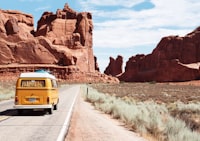
12 Best Free Camping Spots for Van Lifers in the Western US
The Western US is a van lifer's dream, with vast expanses of public lands open to free dispersed camping. Unlike campgrounds, free camping sites on Bureau of Land Management (BLM) land, national forests, and public lands require no fees, no reservations, and no time limits (in most places). We have spent three years exploring over 50 free camping spots across the West, from California deserts to Montana mountains. This guide covers our 12 favorites, including what makes each special, cell signal and amenities, best seasons, and practical tips for finding and respecting free camping land.
Table of Contents
- 1. Alabama Hills, California
- 2. BLM Land Near Sedona, Arizona
- 3. Slab City, California
- 4. Quartzsite, Arizona
- 5. Crested Butte Area, Colorado
- 6. Sawtooth National Forest, Idaho
- 7. Highway 395 Dispersed Areas, California
- 8. Clark County Wetlands, Nevada
- 9. Coconino National Forest, Arizona
- 10. Gila National Forest, New Mexico
- 11. Ochoco National Forest, Oregon
- 12. Salmon Area, Idaho
- How to Find Free Camping Spots
- Best Apps for Finding Free Camping
- Camping Etiquette & Leave No Trace
- FAQ
1. Alabama Hills, California — Best for Scenery
Location: Inyo County, near Lone Pine, California (Eastern Sierra)
What makes it great: Alabama Hills is one of the most photographed camping areas in the West. Red and tan rock formations rise dramatically against the Sierra Nevada mountains, creating otherworldly landscapes that have been featured in countless films and TV shows. The BLM land here allows free dispersed camping with virtually unlimited stay lengths. Sites are scattered across the hills, offering privacy and stunning sunsets.
Amenities: No water, toilets, or services. Cell signal (Verizon) is spotty but present. Nearest services (gas, groceries, restaurants) are in Lone Pine, 10 minutes away. Several hiking trails start directly from camping areas.
Best season: April-May and September-October. Summers are extremely hot (90-100°F). Winters are cold and windy.
Our experience: We spent two weeks here in spring and photographed sunrise every morning. The rock formations change color throughout the day, offering infinite composition options. Verizon coverage is surprisingly good on higher ground. No fires allowed due to extreme fire danger in summer, but cooler months allow small campfires. Respect the tight camping ethic here—camp only on obviously used sites and pack out all trash.
2. BLM Land Near Sedona, Arizona — Best for Hiking
Location: Red Rocks Scenic Byway, Coconino National Forest fringe, near Sedona
What makes it great: Sedona is famous for overpriced campgrounds, but free dispersed camping exists on adjacent BLM land with equally stunning red rock views. You get the scenery without the $40+ campground fees. Multiple trails lead to iconic formations like Devil's Bridge and Cathedral Rock, accessible from free camping areas.
Amenities: No water or toilets. Cell service (good coverage from most providers). Nearest town services in Sedona (5-15 minutes). Restaurant and grocery options everywhere in Sedona.
Best season: November-March. Summers exceed 100°F. Spring (April-May) is also good but increasingly crowded.
Our experience: We camped on Coconino National Forest land south of Sedona in March and hiked to multiple formations daily. The red rocks live up to the hype. Be aware that Sedona's free camping areas are increasingly crowded, with parking at all sites by afternoon. Arrive early or plan weekday trips. Many locals recommend camping on Forest Service land east of Sedona near Beaver Creek for fewer crowds and equally good views.
3. Slab City, California — Best for Community
Location: Salton Sea, Imperial County, California (inland desert near Mexico)
What makes it great: Slab City is unique—a free community of permanent and temporary van lifers, RVers, and travelers living on the concrete slabs left from a WWII military base. No fees, no time limits, and a thriving informal community of artists, musicians, and wanderers. The Salton Sea is a major birding destination, and the desert landscape is stark and alien.
Amenities: No official amenities, but Niland (1 mile away) has a grocery store and services. Water and fuel available in nearby towns. Cell service is good (all carriers). The community operates information boards and informal gatherings.
Best season: November-March. Summers are brutally hot (110-120°F). The Salton Sea is a saline lake with strong odors in summer.
Our experience: Slab City feels like stepping into a post-apocalyptic novel in the best way. It is raw, authentic, and fundamentally different from typical camping. The community is welcoming to travelers and open about the free camping lifestyle. Art installations, a makeshift hot spring, and Friday night potlucks create genuine social connection. Expect to stay longer than intended. Fair warning: poverty, substance use, and crime exist alongside the community—exercise caution, secure your van, and use common sense.
4. Quartzsite, Arizona — Best for Winter Escape
Location: La Paz County, Arizona (between Phoenix and San Diego, near Colorado River)
What makes it great: Quartzsite becomes a temporary city of 1,000+ RVers from November-March. The surrounding BLM land allows free boondocking on vast open desert with no time limits. It is the largest gathering of full-time RVers in North America. Rock hounding, mineral shows, and swap meets happen continuously. The town caters entirely to nomads.
Amenities: Quartzsite (pop. 1,300 in summer) swells to 2,500+ in winter. Grocery stores, fuel, laundry, restaurants, RV services, and antique shops are abundant. Cell service is good. Tons of dry camping areas spread across BLM land on all sides of town.
Best season: December-February. The town empties in summer. January has the biggest crowds and events.
Our experience: Quartzsite is not a scenic destination—it is a social hub and logistics center for nomads. We parked for two weeks in January and felt the energy of a community all living the van life dream. International Rock and Gem Show brings 100,000+ visitors. Swap meets, potlucks, and happy hours happen nightly. Prices for services spike in peak season. Cell signal can be overloaded with so many people. Respect for the community and Leave No Trace principles are essential.
5. Crested Butte Area, Colorado — Best for Mountains
Location: Gunnison National Forest, near Crested Butte, Colorado (Rocky Mountains)
What makes it great: Gunnison National Forest offers dispersed camping on stunning alpine land near Crested Butte. Multiple roads lead off Highway 135 into the forest with dozens of pullouts suitable for dry camping. Mountain peaks, wildflower meadows, and pristine streams are the backdrop. Hiking is exceptional.
Amenities: No water, toilets, or services. Cell signal is spotty (Verizon works intermittently). Crested Butte (5-15 miles away) has all services including restaurants and breweries. Several natural hot springs are accessible by day trip.
Best season: June-September. Elevation (9,000-10,000 ft) means snow from October-May. Summer nights are cold even at peak season.
Our experience: We camped in July near Treasury Creek and experienced perfect alpine weather (70s, cool nights, minimal bugs). Wildflowers were extraordinary. The location is a climber's and hiker's paradise—rock climbing, mountaineering, and trail hiking are world-class. Other van lifers congregate in popular pullouts, creating informal communities. Crested Butte is pricey in summer (ski resort town), so free camping is essential. Plan for potential morning frost and cold even in July.
6. Sawtooth National Forest, Idaho — Best for Solitude
Location: Custer County, central Idaho (between Boise and Stanley)
What makes it great: The Sawtooth Mountains are stunning, jagged peaks surrounding pristine alpine lakes. Sawtooth National Forest allows dispersed camping with excellent solitude. Dozens of pullouts and campsites exist along highways 21 and 75. The wilderness is genuine—fewer crowds than Colorado, more space for privacy.
Amenities: Minimal services. Cell signal is spotty. The nearest towns (Stanley or Lowman) have basic stores. Pack food, water, and fuel before heading into the forest.
Best season: July-September. Snow closes roads from October-June. Even summer nights are cold.
Our experience: Sawtooth offers pure mountain experience with authentic wilderness. We camped for a week in August and saw only a handful of other vehicles. Weather changed dramatically day to day—some mornings saw frost. Hiking to alpine lakes is world-class but requires permits and registration. Cell service was nonexistent at our campsite, which was both freeing and slightly isolating. If you seek true solitude and do not need constant connectivity, Sawtooth is transcendent.
7. Highway 395 Dispersed Areas, California — Best for Road Trip Base
Location: Multiple BLM areas along US-395 from Lone Pine north to Susanville, California
What makes it great: US-395 is the backbone of Eastern California van life. Dozens of pullouts and informal camping areas line the highway, most on BLM land. You can move every day or stay a week, all without fees. The terrain varies from high desert to alpine forest as you move north.
Amenities: Amenities vary by location. Some areas have cell service, others do not. Small towns (Lee Vining, Bishop, Susanville) have stores and services every 20-50 miles. Many pullouts have trash barrels and pit toilets.
Best season: April-May and September-October. Summer is hot south of Bishop, snowy north of Susanville. Winter is challenging due to snow and cold.
Our experience: We used Highway 395 as a base for one-week trips, camping at different pullouts each night. Variety is excellent—desert, pine forest, mountain views. The corridor is popular with other van lifers and road trippers, so some sites are crowded on weekends. Weekdays are quieter. We found the best balance of solitude and amenities by mixing well-known spots (Alabama Hills, Crowley Lake) with less-known pullouts north of Bishop.
8. Clark County Wetlands, Nevada — Best for Wildlife Viewing
Location: Las Vegas, Clark County, Nevada (managed BLM and refuge lands)
What makes it great: The Clark County Wetlands are a surprising oasis near Las Vegas, supporting diverse bird populations and plant life. BLM land allows free dispersed camping. This is birding heaven—over 280 bird species pass through during migration seasons.
Amenities: No water, toilets, or services at the wetlands. Las Vegas is 30 minutes away with every service. Cell service is excellent throughout.
Best season: November-March for birding. Summer is brutally hot.
Our experience: We did not expect to recommend camping near Las Vegas, but the wetlands are genuinely special. The contrast of desert and water ecosystems is striking. Birders and nature photographers converge during migration. Las Vegas's resources (restaurants, entertainment, shopping) are nearby if you want them, but the camping itself feels remote. This is more of a destination for specific interests (birding, photography) than general touring.
9. Coconino National Forest, Arizona — Best for Variety
Location: Central Arizona, surrounding Flagstaff
What makes it great: Coconino National Forest is massive (1.8 million acres) with ponderosa pine forest, meadows, and high-elevation terrain. Multiple roads and pullouts offer free dispersed camping at 6,000-8,000 feet elevation. The area is cool even in summer, hosting pine forests rather than desert.
Amenities: Flagstaff (10-30 miles depending on location) has excellent services including breweries and restaurants. Cell service varies by location. Most areas have good Verizon coverage.
Best season: May-October. Winter snow is common at higher elevations.
Our experience: Coconino offers cooler relief from Arizona's heat. We camped in a ponderosa pine area in June and enjoyed 70-degree days despite surrounding areas being 100+. The forest feels vastly different from Arizona's famous red rocks. Hiking is exceptional. Flagstaff is a excellent hub for resupply and dining. The forest is large enough to avoid crowds despite being near a major city.
10. Gila National Forest, New Mexico — Best for Exploring
Location: Grant County, southwestern New Mexico
What makes it great: Gila National Forest is remote and wild. Multiple roads and pullouts allow free dispersed camping with genuine solitude. The Gila Wilderness is one of the largest roadless areas in the lower 48 states. Hot springs, hiking, and river access define the area.
Amenities: Minimal services. Silver City (30-60 miles) is the nearest significant town. Cell service is spotty. Pack fuel and supplies before entering the forest.
Best season: October-April. Summer is scorching.
Our experience: Gila is genuinely remote. We visited in March and camped along the Gila River with no other vehicles visible for days. The hot springs (accessible via hiking) were incredible. Cell service was nonexistent at our site. This is a destination for people seeking true wilderness, not casual camping. Roads are rough and four-wheel drive is recommended on some routes. Gila requires commitment and preparation but rewards with authentic backcountry experience.
11. Ochoco National Forest, Oregon — Best for Pine Country
Location: Wheeler County, central Oregon (near John Day)
What makes it great: Ochoco National Forest is a hidden gem offering ponderosa pine forests, high elevation (5,000-7,000 ft), and cool summers. Multiple roads lead to pullouts suitable for dispersed camping. Few crowds and exceptional scenery define this area.
Amenities: John Day (15-30 miles) is a small historic town with basic services. Cell service is spotty. Expect minimal crowds even at popular sites.
Best season: June-September. Higher elevation means snow and cold from October-May.
Our experience: Ochoco surprised us with its beauty and solitude. We camped in July in a ponderosa pine forest at 6,000 feet. Daytime temperatures were perfect (75-80°F) with cool nights. Hiking to alpine meadows was gorgeous. The area feels far from major highways despite being accessible. This is excellent for van lifers seeking a quieter Pacific Northwest experience.
12. Salmon Area, Idaho — Best for River Access
Location: Lemhi County, central Idaho (central mountains)
What makes it great: The Salmon River runs through central Idaho with multiple pullouts and camping areas on public land. The Salmon is one of the most famous rivers for whitewater and fly fishing. Free camping exists in numerous locations, from river-access camps to higher-elevation forest sites.
Amenities: Salmon town (population 3,000) has basic services. Cell service is spotty away from town. Some popular pullouts have vault toilets.
Best season: June-September. Winter snow and cold limit access.
Our experience: We camped along the Salmon River in July and enjoyed river access for swimming and fishing. The river culture is strong—kayakers, rafters, and anglers gather at popular pullouts, creating informal community. The town of Salmon is friendly to outdoor enthusiasts. This area is excellent for people who want river access and outdoor recreation.
How to Find Free Camping Spots
Know the Land Types
Bureau of Land Management (BLM): Federal lands managed for multiple uses including recreation. Most BLM land allows free dispersed camping with 14-day limits (varies by area). Use recreation.gov and BLM.gov to verify rules.
National Forests: Managed by the US Forest Service. Dispersed camping is generally free on most national forest land. Check individual forest websites for restrictions.
State Lands: Vary by state. Some allow camping, others do not. Always verify before camping.
Never camp on: National parks (permit required and expensive), private land without permission, or designated wilderness areas (no vehicles allowed).
Best Apps for Finding Free Camping Spots
iOverlander: Crowdsourced database of camping spots, fuel, water, and services worldwide. Highly accurate and updated by van lifers. Free version works offline.
FreeRoam: Similar to iOverlander but focused on North America. Strong van life community contributing data. Free version available.
Campendium: Mix of campground reviews and free camping spots. Large database with user photos and detailed descriptions. Free version available.
AllStays: Database of free camping, BLM land, and public lands. Excellent search by coordinates. Paid version ($3.99) is worth it.
iExit Interstate Guide: Interstate rest areas, free Wi-Fi locations, and truck stops. Useful for road trip planning.
BLM.gov and Forest Service websites: Official information on specific land areas, fire restrictions, and current conditions. Mobile-friendly on most smartphones.
Camping Etiquette and Leave No Trace Principles
The Golden Rules
Pack out all trash: If you pack it in, pack it out. This includes gray water, food waste, and cans. Leave sites cleaner than you found them.
Respect fire restrictions: If the area is in Stage 2 or higher fire restriction, do not build fires. These rules exist for good reason. Violators face fines and endanger the entire region.
Use established sites: Camp only on obviously used sites or pullouts, not on pristine vegetation. This minimizes environmental damage.
Keep quiet hours: Respect neighbors. Avoid loud music, loud conversations, or running generators between 9 PM and 8 AM.
Dispose of waste properly: Use pit toilets where available. Pack out human waste if none exist (use a portable camp toilet and double bags). Urine can be left behind but feces must be packed.
Do not approach wildlife: Observe animals from a distance. Never feed wildlife. Store food securely.
Stay within vehicle boundaries: Do not drive off-road or create new roads. Stick to established routes.
Minimize water use: Take quick showers and conserve water, especially in arid regions. Never use soap directly in water sources.
Frequently Asked Questions
Is free dispersed camping legal?
Yes, free dispersed camping is legal on most BLM land and national forest land. However, specific areas have restrictions. Always verify before camping. Some areas have 14-day limits, others allow longer stays. Check signs and official websites.
Can I have a fire at free camping sites?
Fire regulations vary. Many areas restrict fires May-October due to wildfire danger (Stage 2 fire restrictions). Check the Forest Service website or signs at the trailhead. When fires are allowed, use established fire rings and fully extinguish before leaving.
Is there cell service at free camping sites?
Cell service is inconsistent. Remote areas often lack coverage. Apps like iOverlander include user reports on cell service. Carry a satellite communicator (Garmin inReach, SPOT) for emergencies if camping in remote areas.
What is the typical 14-day limit?
Most BLM land requires you to move after 14 consecutive days at one site. However, you can often return to the same area after moving elsewhere for several days. Check specific area regulations.
How do I know if I am on public land?
Use the BLM and Forest Service maps on their websites, or offline maps in apps like AllStays or Maps.me. Pay attention to signs at pullouts and roads. When in doubt, ask locals or the ranger station.
What are typical hazards at free camping sites?
Hazards vary: rough roads, extreme weather, flash flooding in washes, wildlife encounters, dust storms, extreme temperatures, and isolation. Choose sites appropriate for your van (clearance, weight), monitor weather forecasts, and avoid camping in dry washes during monsoon season (July-September in Southwest).
Should I tip the Forest Service or BLM?
No monetary tips are expected, but respecting the land and following rules is the best way to show appreciation. Volunteer for trail maintenance or cleanup efforts if interested.